
Table
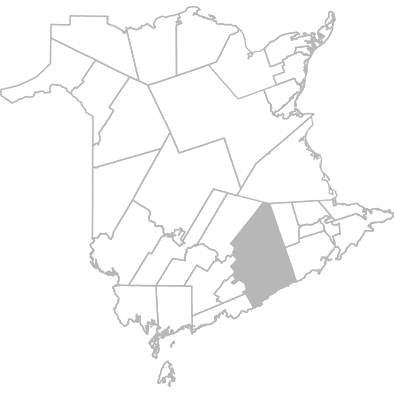
Community
Sussex, Norton, Sussex Corner Area
|
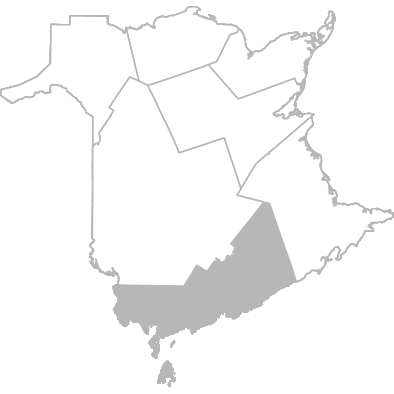
Zone 2
Fundy Shore and Saint John Area
|
Province
New Brunswick
|
|
||||||||||||||||||||||||||||||||||||||||||||||
|---|---|---|---|---|---|---|---|---|---|---|---|---|---|---|---|---|---|---|---|---|---|---|---|---|---|---|---|---|---|---|---|---|---|---|---|---|---|---|---|---|---|---|---|---|---|---|---|---|---|
|
|
|||||||||||||||||||||||||||||||||||||||||||||||||
| General health | |||||||||||||||||||||||||||||||||||||||||||||||||
| Perceived health, very good or excellent % | 2025-2026 |
48.6
42.2 - 54.9
|
48.1
45.3 - 51.0
|
51.0
49.2 - 52.8
|
||||||||||||||||||||||||||||||||||||||||||||||
|
Weights
Overweight and obesity in childhood and adolescence have been associated with elevated health risks and morbidities, and increased mortality rates in adulthood. They are risk factors for a large number of serious diseases and conditions like high blood pressure, heart disease, diabetes, stroke, some cancers, and mental health problems.
|
|||||||||||||||||||||||||||||||||||||||||||||||||
| Overweight or obese % | 2025-2026 |
29.3
24.4
- 34.2
|
26.1
23.9
- 28.3
|
26.9
25.7
- 28.0
|
||||||||||||||||||||||||||||||||||||||||||||||
| Physical activity, leisure screen time, and sleep | |||||||||||||||||||||||||||||||||||||||||||||||||
| Physical activity | |||||||||||||||||||||||||||||||||||||||||||||||||
| Daily physical activity, 1 hour or more % | 2025-2026 |
27.3
19.7
- 34.8
|
24.9
22.7
- 27.1
|
24.3
23.2
- 25.4
|
||||||||||||||||||||||||||||||||||||||||||||||
| School commute | |||||||||||||||||||||||||||||||||||||||||||||||||
| Commutes actively % | 2025-2026 |
3.8
1.7
- 5.9
|
9.8
7.6
- 12.0
|
9.5
8.4
- 10.5
|
||||||||||||||||||||||||||||||||||||||||||||||
| Commutes inactively % | 2025-2026 |
83.6
82.0
- 85.2
|
75.4
71.9
- 78.9
|
77.3
75.5
- 79.1
|
||||||||||||||||||||||||||||||||||||||||||||||
| Mixed (actively and inactively) % | 2025-2026 |
12.5
11.3
- 13.8
|
14.8
13.0
- 16.6
|
13.2
12.3
- 14.2
|
||||||||||||||||||||||||||||||||||||||||||||||
| Leisure screen time | |||||||||||||||||||||||||||||||||||||||||||||||||
| Has 2 hours or less of leisure screen time per day % | 2025-2026 |
14.8
13.0
- 16.6
|
11.1
9.6
- 12.7
|
11.3
10.4
- 12.1
|
||||||||||||||||||||||||||||||||||||||||||||||
| Average hours and minutes of leisure screen time per day Number | 2025-2026 |
4.7
4.5
- 4.8
|
4.8
4.6
- 5.0
|
4.8
4.7
- 4.8
|
||||||||||||||||||||||||||||||||||||||||||||||
| Spends 3 hours or more playing games on an electronic device, weekdays % | 2025-2026 |
24.3
18.7
- 29.8
|
25.0
22.1
- 27.9
|
24.6
23.2
- 26.0
|
||||||||||||||||||||||||||||||||||||||||||||||
| Sleep | |||||||||||||||||||||||||||||||||||||||||||||||||
| Sleeps 8 hours or more, weekdays % | 2025-2026 |
58.5
45.3
- 71.6
|
60.0
55.6
- 64.3
|
62.9
60.1
- 65.8
|
||||||||||||||||||||||||||||||||||||||||||||||
| Average hours and minutes of sleep per night, weekdays Number | 2025-2026 |
8.7
8.2
- 9.1
|
8.7
8.5
- 8.9
|
8.8
8.6
- 8.9
|
||||||||||||||||||||||||||||||||||||||||||||||
| Uses an electronic device before bed % | 2025-2026 |
89.0
82.5
- 95.5
|
87.7
85.3
- 90.2
|
87.0
85.5
- 88.5
|
||||||||||||||||||||||||||||||||||||||||||||||
| Uses it 1 to 3 nights a week % | 2025-2026 |
13.3
11.9
- 14.6
|
14.5
12.2
- 16.9
|
14.4
13.4
- 15.5
|
||||||||||||||||||||||||||||||||||||||||||||||
| Uses it every night % | 2025-2026 |
63.0
53.1
- 72.9
|
61.4
56.1
- 66.6
|
61.1
58.4
- 63.7
|
||||||||||||||||||||||||||||||||||||||||||||||
| Has trouble going to sleep % | 2025-2026 |
54.0
50.5
- 57.5
|
54.4
52.7
- 56.1
|
53.7
52.7
- 54.7
|
||||||||||||||||||||||||||||||||||||||||||||||
| Healthy eating
Canada’s Food Guide recommends eating a variety of healthy foods each day, including plenty of vegetables and fruits, and to limit highly processed foods. It also recommends to eat without distractions.
|
|||||||||||||||||||||||||||||||||||||||||||||||||
| Type of food | |||||||||||||||||||||||||||||||||||||||||||||||||
| Eats vegetables or fruits 5 times or more per day % | 2025-2026 |
54.0
42.9
- 65.1
|
56.9
53.1
- 60.8
|
57.3
55.5
- 59.0
|
||||||||||||||||||||||||||||||||||||||||||||||
| Eating habits | |||||||||||||||||||||||||||||||||||||||||||||||||
| Eats the evening meal with family/guardian(s) or friends, daily % | 2025-2026 |
45.1
31.9
- 58.2
|
45.0
41.2
- 48.8
|
49.3
47.1
- 51.5
|
||||||||||||||||||||||||||||||||||||||||||||||
| Eats the evening meal with family/guardian(s) or friends, most days % | 2025-2026 |
60.1
47.6
- 72.7
|
60.4
56.8
- 64.1
|
64.2
62.1
- 66.2
|
||||||||||||||||||||||||||||||||||||||||||||||
| Eats breakfast, daily % | 2025-2026 |
30.9
21.8
- 39.9
|
33.8
30.5
- 37.1
|
36.6
34.4
- 38.7
|
||||||||||||||||||||||||||||||||||||||||||||||
| Eats breakfast, most days % | 2025-2026 |
43.9
34.1
- 53.8
|
47.3
43.5
- 51.0
|
50.0
47.7
- 52.3
|
||||||||||||||||||||||||||||||||||||||||||||||
| Sexual violence | |||||||||||||||||||||||||||||||||||||||||||||||||
| Has been sexually violated % | 2025-2026 |
11.7
9.3 - 14.0
|
12.0
10.3 - 13.7
|
11.6
10.8 - 12.5
|
||||||||||||||||||||||||||||||||||||||||||||||
| Victim of dating violence, last 12 months (among those who dated) % | 2025-2026 |
12.9
9.4 - 16.5
|
13.8
12.0 - 15.7
|
12.3
11.2 - 13.4
|
||||||||||||||||||||||||||||||||||||||||||||||
About this Table
Content and description
This table presents data collected from students in grades 6 to 12 through the New Brunswick Student Wellness and Education Survey (SWES). It contains self-reported information regarding the social and emotional development of New Brunswick students in grades 6 to 12. Topics include general health, physical activity, leisure screen time, sleep, healthy eating, and sexual violence.
The questionnaire previously comprised modules, which means that certain questions were asked every other cycle.
Why it is important
Only when we understand who our students are and what their needs are can we better plan for services and allocate resources to meet their health and educational needs.
Availability of the data
The information in this data table is available by school district, school sector and overall New Brunswick ,by the seven (7) New Brunswick health zones and 33 communities created by the NBHC, as well as by demographic groups. More information is available on our New Brunswick Student Wellness and Education Survey page.
Note about demographic groups
In 2023, the NBHC undertook a review of the demographic questions in its surveys to more accurately report on the experience of citizens who identify with particular groups. As such, starting in 2024, all demographic groups (characteristics) have been adjusted to reflect this change. Data tables and indicator pages were adjusted to allow for trending where applicable.